Editor's Synopsis
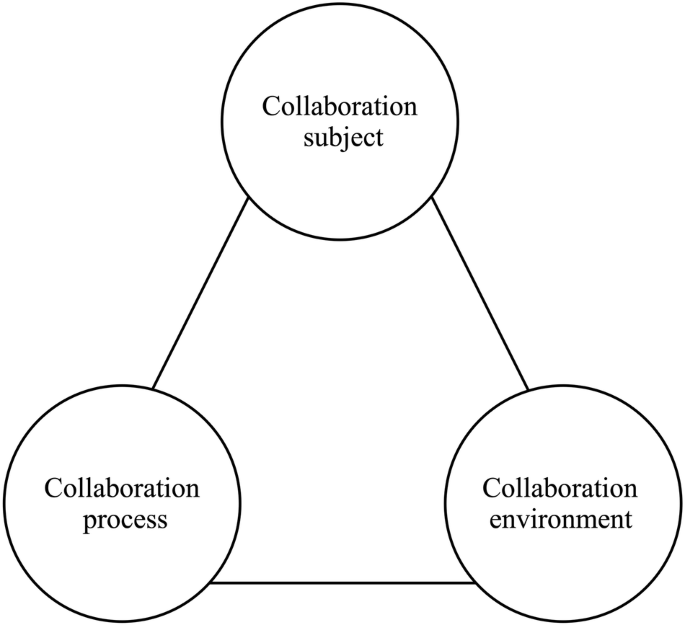
This study introduces the Human–AI Synergy Degree Model (HAI-SDM) to evaluate and understand collaboration between human teachers and AI systems (specifically educational robots) in hybrid intelligence learning environments. The researchers propose that effective human–AI classroom collaboration can be analyzed through three subsystems: collaboration subject (teachers, students, and AI machines), collaboration process (goals, methods, and teaching processes), and collaboration environment (space–time structure, infrastructure, and key technologies). The model draws on Haken's synergetics theory to measure both the order degree within each subsystem and the synergy degree across the entire system.
A case study was conducted in an eighth-grade English class in Beijing, China, involving 40 students, one teacher, and an educational robot across 12 teaching activities over a 40-minute lesson. The findings reveal that the order degree between human teacher and AI machines remains at a moderate level with dynamic fluctuations, while the synergy degree fluctuates between low and moderate levels. This suggests that while the three subsystems develop in a relatively orderly fashion individually, one subsystem may exhibit disordered behavior relative to the others, undermining overall collaboration effectiveness. The research highlights the need for more deliberate design strategies to optimize human–AI collaboration in classrooms and provides a quantitative framework that moves beyond purely technological assessments of AI in education toward evaluating the systemic dynamics of human–AI interaction.