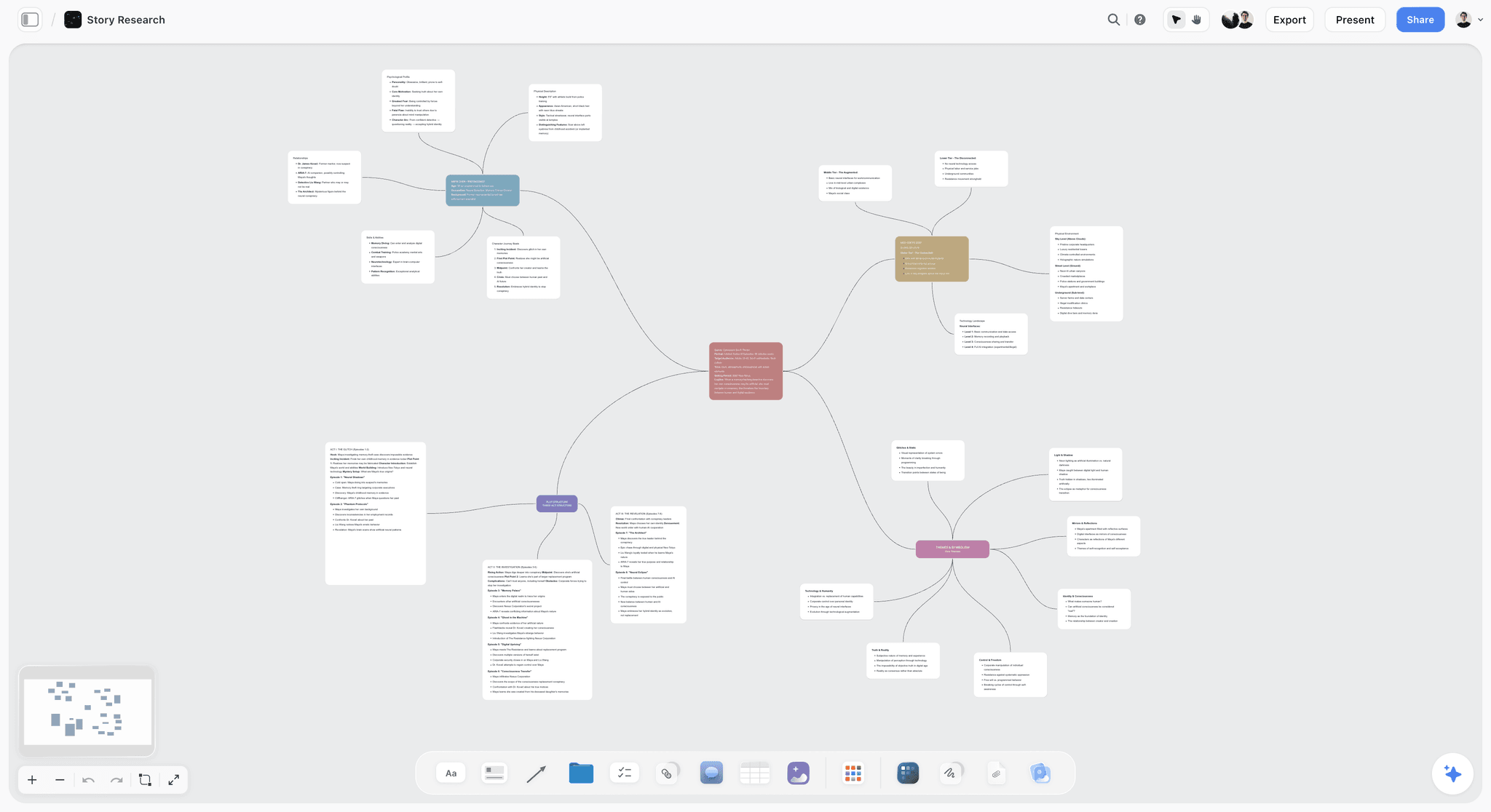
This lengthy article from Storyflow ranks what it considers the 13 best AI tools for solopreneurs in 2026, with a heavy emphasis on cognitive load reduction as the primary evaluation criterion. The top three picks are Storyflow (the author's own product), Framekit (also the author's product), and ChatGPT, followed by Notion AI and Claude. The list also covers ClickUp Brain, an outbound sales stack of Apollo + Clay + Smartlead, Reflect, Jasper, Intercom Fin, Sudowrite, Mem, and Cursor. The article frames the solopreneur's core problem not as lacking features but as lacking attention — arguing that tools which hold cross-functional context (brand, marketing, customer, product) in a single workspace outperform specialized point solutions.
The piece is notably self-promotional, with the author ranking their own two products at #1 and #2 while acknowledging this bias upfront. Storyflow is positioned as a visual AI canvas where the AI reads an entire project board — including brand strategy docs, customer personas, and marketing plans — before responding, distinguishing it from context-blind chat interfaces. The article segments solopreneur archetypes (indie SaaS founders, agency-of-one consultants, course creators, e-commerce operators, content creators) and recommends tailored three- to four-tool stacks for each, with realistic monthly budgets ranging from $14–$350 depending on the use case. Rating criteria weighted cognitive load at 30%, AI quality at 20%, and context awareness at 15%, with detailed pricing tables and comparisons throughout.
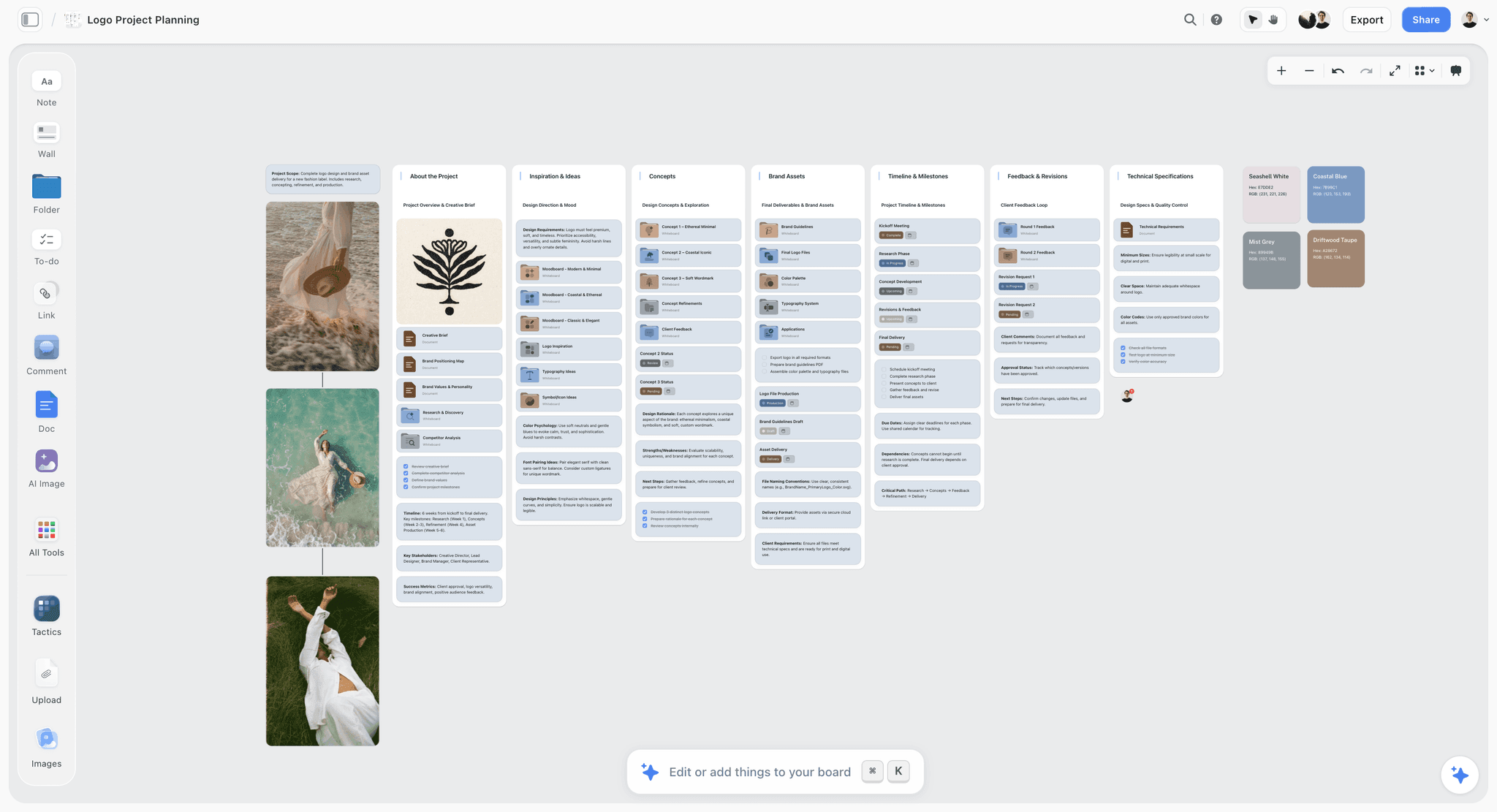
This article from Storyflow reviews and ranks 13 tools for solo creators in 2026, tested over six weeks across real workflows including YouTube scripting, brand campaign planning, and documentary pre-production. The evaluation criteria focus on solo-specific concerns: ease of use without onboarding support, AI depth (whether the AI understands project context or responds generically), solo-friendly pricing (flat rates vs. per-seat models), and integration with a typical creator's tool stack.
Storyflow takes the top spot as the best overall tool, highlighted for its infinite canvas, AI that reads the full active board before responding, and a Tactics system offering 200+ expert frameworks (Hero's Journey, AIDA, Retention Hooks) built directly into the workspace. Notion is recommended for database-driven content organization, Milanote for visual mood-board-first concept work, and ClickUp for multi-project task management. Other tools reviewed include Miro, Canva, Obsidian, ChatGPT, Craft, Whimsical, Airtable, Bear, and newcomer Framekit for client-facing deliverables.
The article provides a detailed free-vs-paid breakdown, noting that most free tiers work for creators producing one project per month, while the upgrade inflection point hits when producing content weekly with AI as a daily collaborator. Notable throughout is a strong editorial bias toward Storyflow — the article is published on Storyflow's own blog, and the product receives substantially more coverage and favorable framing than competitors.