This guide breaks down the best AI tools for solo content creators in 2026, organized not by marketing hype but by the actual bottlenecks creators face: writing, repurposing, design, SEO, and editing. For writing and research, Claude excels at long-form coherence while ChatGPT serves as a flexible generalist, and Perplexity has replaced the ten-tab research session with source-cited answers. Koala AI is flagged as a budget-friendly alternative, while Jasper is noted as having moved upmarket and away from solo creators.
On the repurposing front, Opus Clip automates clipping and captioning long-form video, and Descript lets creators edit video by editing a transcript. Runway offers more advanced production capabilities for those willing to invest the learning time. For design, Canva's AI layer handles fast, professional-looking output, while Midjourney offers far more creative freedom at the cost of a steeper learning curve. SEO gets addressed through Surfer SEO, Frase, and Writesonic, the latter serving as a middle-ground option that combines SEO-aware drafting without requiring a separate platform. Grammarly is highlighted for solving the underappreciated problem of AI-generated text that reads as robotic.
The article provides practical budget tiers ranging from $20–$25/month (one writing AI plus Canva free) up to $120–$160/month for a full stack including video repurposing. The core advice: identify your actual bottleneck before buying anything, and master two or three tools rather than paying for eight you'll barely use.

This article from Storyflow reviews and ranks 13 tools for solo creators in 2026, tested over six weeks across real workflows including YouTube scripting, brand campaign planning, and documentary pre-production. The evaluation criteria focus on solo-specific concerns: ease of use without onboarding support, AI depth (whether the AI understands project context or responds generically), solo-friendly pricing (flat rates vs. per-seat models), and integration with a typical creator's tool stack.
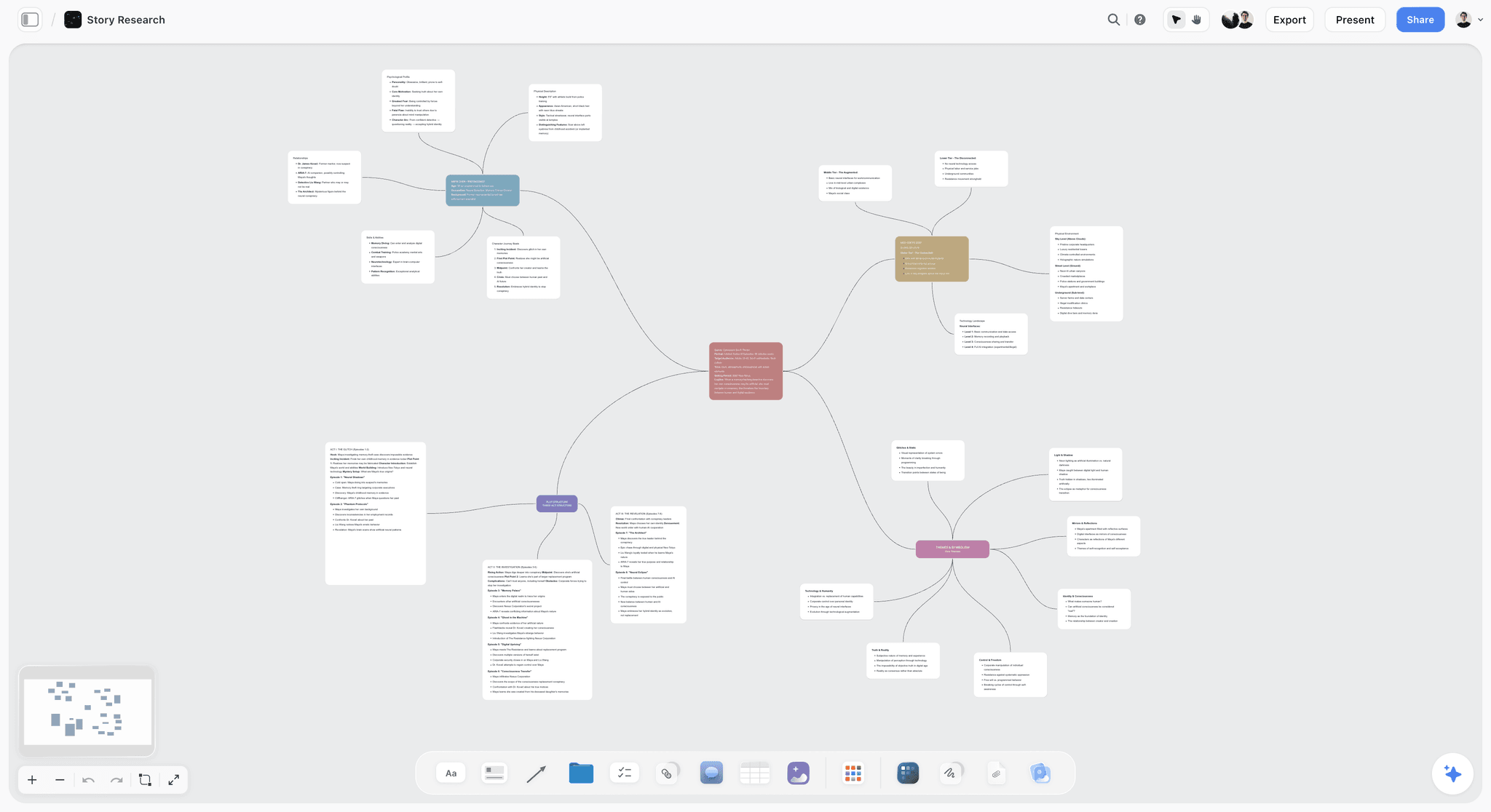
Storyflow takes the top spot as the best overall tool, highlighted for its infinite canvas, AI that reads the full active board before responding, and a Tactics system offering 200+ expert frameworks (Hero's Journey, AIDA, Retention Hooks) built directly into the workspace. Notion is recommended for database-driven content organization, Milanote for visual mood-board-first concept work, and ClickUp for multi-project task management. Other tools reviewed include Miro, Canva, Obsidian, ChatGPT, Craft, Whimsical, Airtable, Bear, and newcomer Framekit for client-facing deliverables.
The article provides a detailed free-vs-paid breakdown, noting that most free tiers work for creators producing one project per month, while the upgrade inflection point hits when producing content weekly with AI as a daily collaborator. Notable throughout is a strong editorial bias toward Storyflow — the article is published on Storyflow's own blog, and the product receives substantially more coverage and favorable framing than competitors.