
Tomasz Opasinski, a veteran designer with over 20 years of experience in entertainment advertising, details how he replaced his traditional creative workflow with a fully generative AI approach using Adobe Firefly and Adobe Photoshop to design posters for the 22nd Kinoteka Polish Film Festival. Instead of hand-sketching concepts, he went straight to prompting in Firefly, treating prompt refinement as a form of iterative sketching. Six hours of prompt exploration yielded hundreds of images—far more than traditional sketching would have produced in the same timeframe—and he notes that he won't go back to using sketches for ideation.
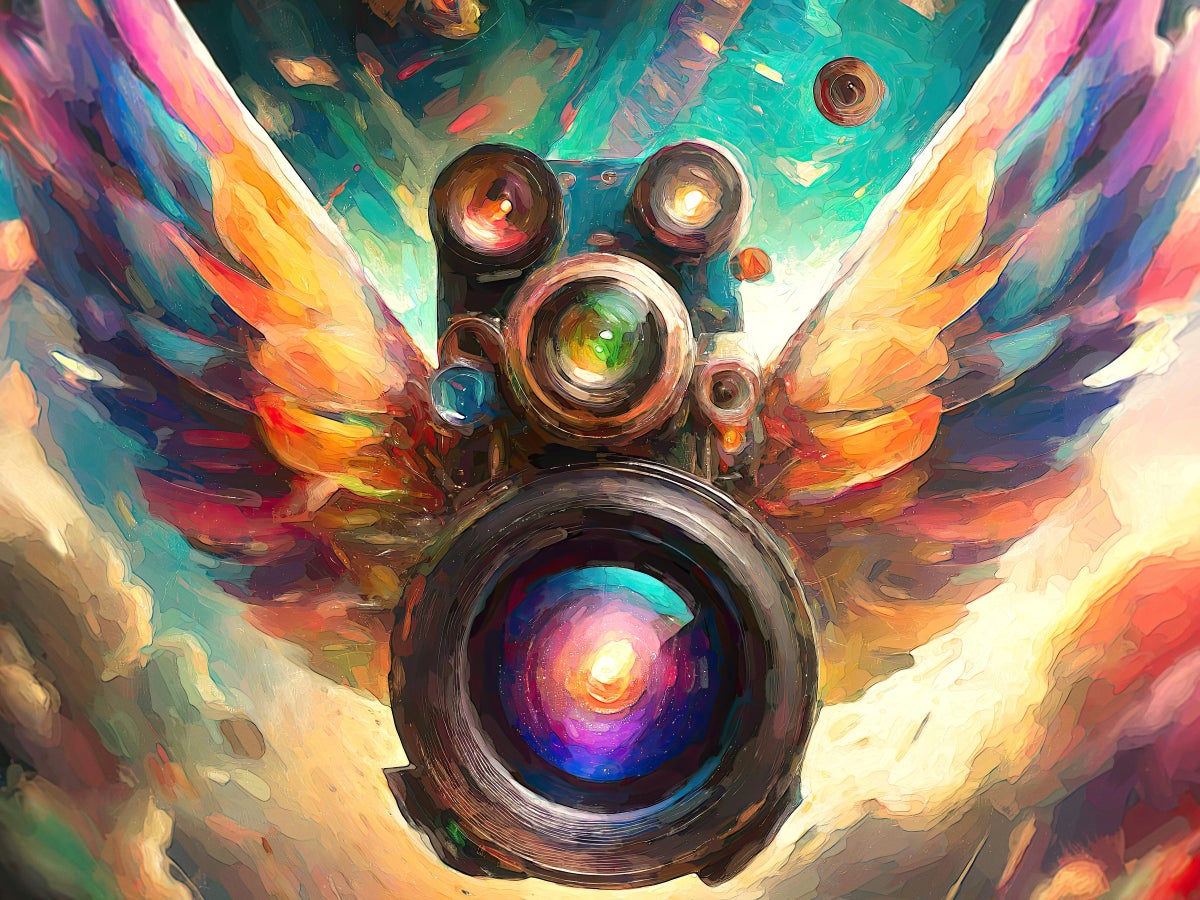
The process transformed each phase of his workflow. During pre-production, generative outputs eliminated the need for written descriptions to accompany concepts, since clients could evaluate highly specific images directly. He used Generative Expand in Photoshop to test compositions at different aspect ratios for web, print, and outdoor formats. From hundreds of generated images, he narrowed selections to 77 for client review and mocked up 17 as posters—far more than the typical three or four. The client ultimately chose two designs, each evoking a distinct emotional response: a flying multi-lens camera symbolizing past and future, and a white origami camera with museum-quality aesthetics for invitations.
Opasinski also highlights practical challenges: AI-generated images lack individual layers, requiring masking and pixel-filling; aspect ratio changes can alter the composition's narrative; and images need upscaling for print resolution. Despite these considerations, generative AI significantly shortened his concept-to-completion timeline and provided unexpected creative directions he wouldn't have discovered through traditional methods.
Columbia Business School shares new research that challenges common assumptions about AI-generated art and its effect on human creativity. Contrary to fears that AI art diminishes the value of human-made work, the findings suggest that the presence of AI-generated art can actually enhance the perceived value of human-created pieces.
This research reframes the narrative around AI's role in creative industries, suggesting a complementary rather than competitive dynamic between AI and human artists. The post links to further details on the study's methodology and implications.
Lev Manovich announces the release of the fourth chapter of the book "Artificial Aesthetics: A Critical Guide to Artificial Intelligence, Media and Design", titled "AI and Myths of Creativity." The chapter is now available online, exploring the intersection of AI, creativity, and cultural production. The post is tagged with hashtags related to AI art, data theory, cultural analytics, digital humanities, and media studies, situating the work at the crossroads of computational culture and critical theory.